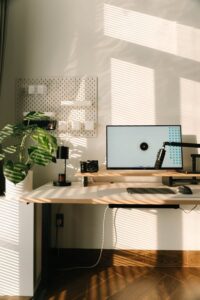






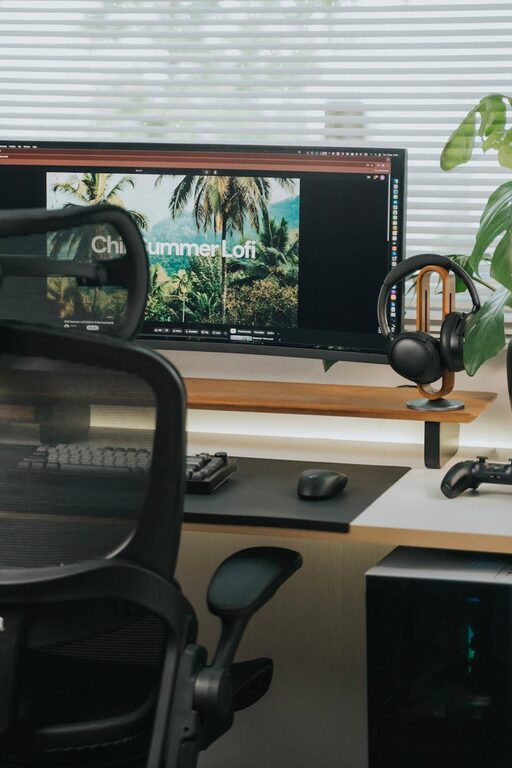
Creating a comfortable and efficient home workspace is essential for maintaining focus and productivity while working remotely. A well-designed area can reduce stress and help you separate your work life from your personal life. Whether you’re working from a small corner or a dedicated room, applying a few key principles can make a big difference.
Choose the Right Location
Start by selecting a spot that suits your work habits and lifestyle. Ideally, your workspace should:
– Be quiet or have minimal distractions.
– Have sufficient natural light.
– Be separate from high-traffic or noisy areas, if possible.
If space is limited, even a small section of a room can be transformed into a productive zone with thoughtful arrangement.
Invest in Comfortable and Functional Furniture
Your furniture should support good posture and comfort because you’ll be spending a lot of time there.
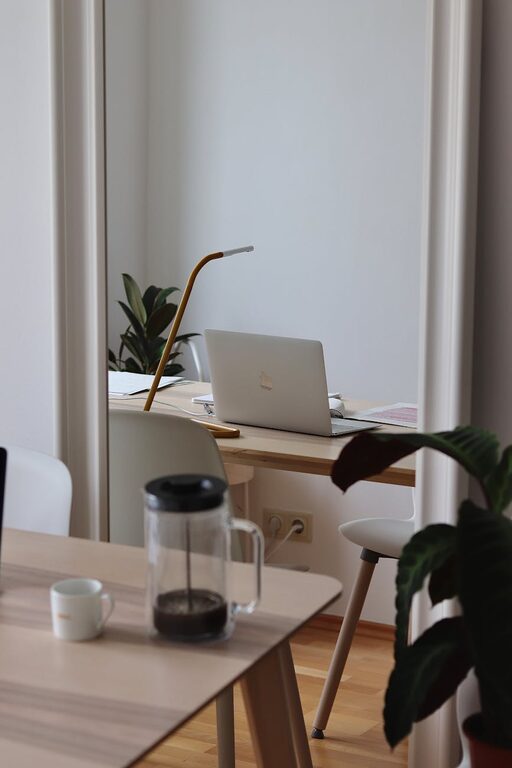
– Desk: Choose a desk that fits your equipment and allows enough room to work comfortably.
– Chair: Select an adjustable chair with good lumbar support to reduce back strain.
– Storage: Use shelves, drawers, or organisers to keep your workspace tidy and reduce clutter.
Remember, comfort encourages longer focus and reduces fatigue.
Optimise Lighting
Light affects mood and productivity substantially. Try these tips:
– Maximise natural light – place your desk near a window if you can.
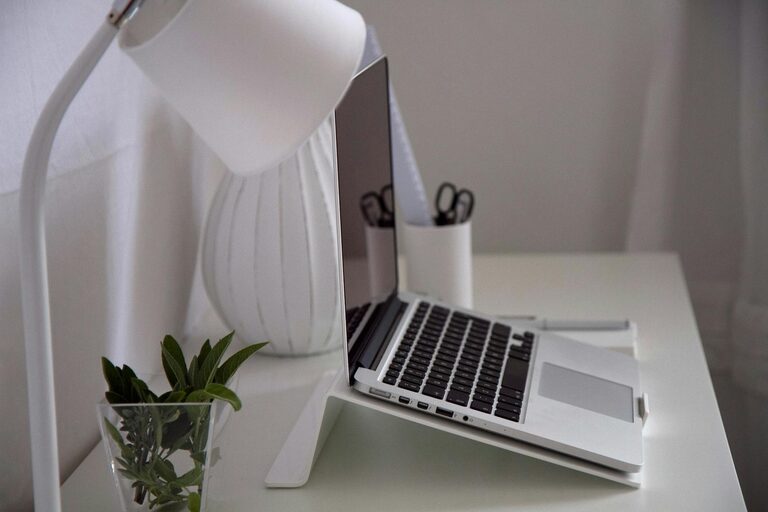
– Use a combination of ambient and task lighting; a desk lamp with adjustable brightness is ideal.
– Avoid harsh overhead lights or glare on your computer screen.
Proper lighting reduces eye strain and keeps you alert throughout your workday.
Declutter and Organise
An organised space helps clear your mind and enhances focus.
– Keep only necessary items on your desk.
– Use storage solutions like baskets, trays, or filing systems.
– Label drawers and boxes for quick access.
Regularly tidying your workspace is important to maintain a calm, distraction-free environment.
Personalise Your Space Mindfully
Adding personal touches creates a welcoming atmosphere, but avoid overdecorating.
– Include items that inspire or calm you, such as plants, photos, or artwork.
– Use colours that promote calmness and creativity, like soft blues or greens.
– Limit noise; consider a white noise machine or soft background music if it helps with concentration.
Personalisation makes your workspace feel inviting and motivates you to work.
Set Up Technology for Efficiency
A smooth-running setup reduces interruptions:
– Ensure your internet connection is reliable.
– Use ergonomic accessories like wireless keyboards and mice.
– Position monitors at eye level to prevent neck strain.
– Keep cables organised using clips or sleeves.
Regular maintenance and upgrades keep your workspace efficient and frustration-free.
Establish Boundaries and Routines
A relaxing and productive space isn’t just about the physical setup. Your habits matter too.
– Set specific working hours to separate work and home life.
– Take regular breaks to stretch and refresh.
– Create rituals at the start and end of your day to signal work time.
– Communicate your workspace boundaries clearly to family or housemates.
Good habits help maintain focus and prevent burnout.
Incorporate Elements for Wellbeing
Consider adding features that support your wellbeing:
– A small plant can improve air quality and mood.
– Use an air purifier if needed for a fresher work environment.
– Keep a water bottle nearby to stay hydrated.
– Take short moments for mindfulness or breathing exercises.
These small steps contribute to a healthier, more enjoyable working experience.
Maintain Flexibility
Your needs might change over time, so be open to adjusting your workspace:
– Rearrange furniture or change lighting as needed.
– Experiment with standing desks or alternate seating.
– Update storage solutions for better organisation.
– Regularly review what helps your productivity and wellbeing.
Flexibility ensures your workspace remains suited to you.
—
Designing a home workspace that balances relaxation with productivity is achievable with some thought and effort. By paying attention to location, furniture, lighting, organisation and wellbeing, you can create an environment which supports your work and helps you feel calm and focused. Remember that your workspace should grow with you—making adjustments along the way will lead to ongoing success and satisfaction in your home working life.