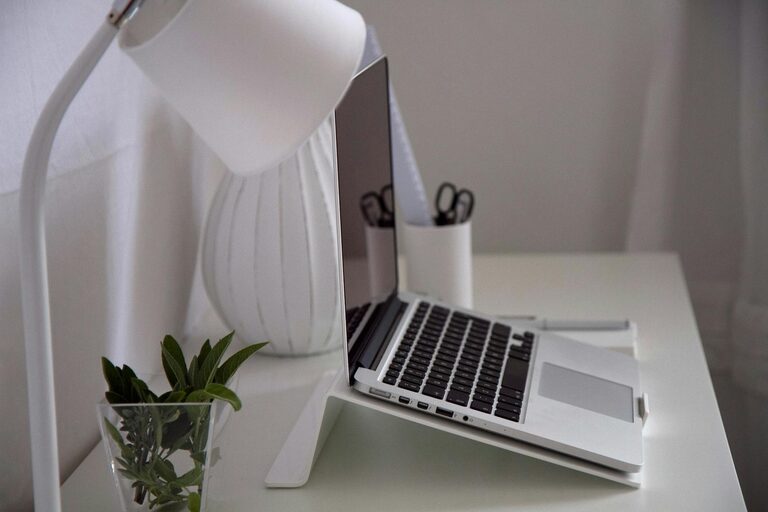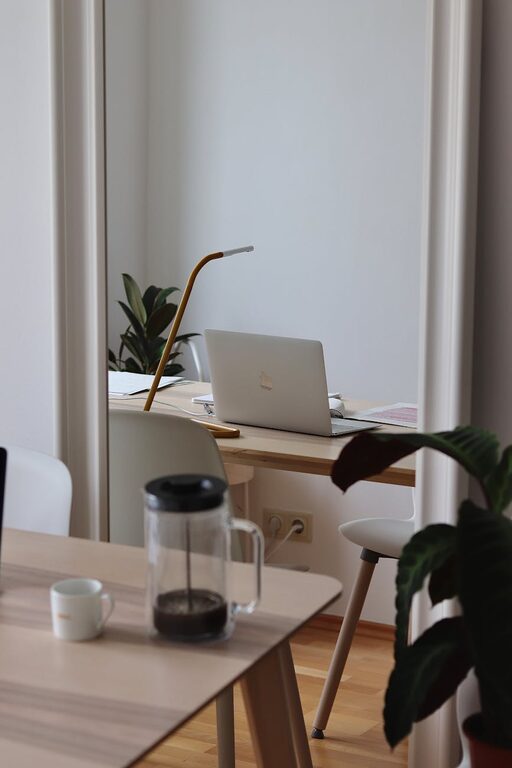







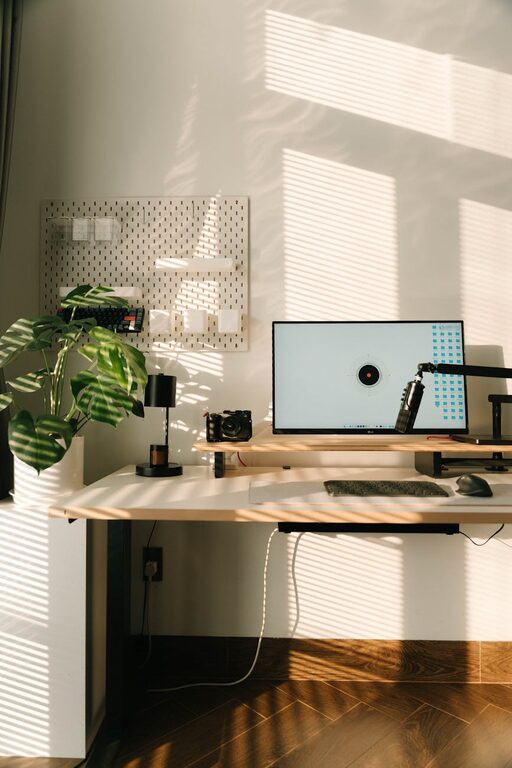
Creating a calm and productive home office environment is essential for anyone working from home or managing personal projects. A well-designed workspace can improve concentration, reduce stress, and increase motivation throughout the day. Whether you have a dedicated room or a small corner of your home, these tips will help you transform your space into an efficient and inviting place to work.
1. Choose the Right Location
Finding the best spot for your home office is the first step to creating a productive environment. Ideally, select a quiet area away from distractions such as the TV, children’s play areas, or busy household traffic.
– Near natural light: Position your desk close to a window to benefit from daylight, which can boost mood and alertness.
– Manage noise: If you can’t avoid some noise, consider noise-cancelling headphones or a white noise machine to maintain focus.
2. Invest in Comfortable Furniture
Comfort plays a crucial role in how well you work, especially if you spend several hours at your desk.
– Ergonomic chair: Choose a chair that supports your spine and encourages good posture to avoid physical discomfort.
– Adjustable desk: A desk at the right height helps reduce strain on your neck and shoulders. Standing desks or sit-stand options are great for flexibility.
– Desk space: Ensure you have enough surface area to organise your essentials without clutter.
3. Organise and Declutter Your Workspace
A tidy workspace can help keep your mind clear and focused.
– Minimalist setup: Keep only the necessary items on your desk. Use drawers and shelves to store paperwork and tools.
– Storage solutions: Use boxes, organisers or filing cabinets to keep everything in its place.
– Cable management: Use clips, ties or cable boxes to prevent cords from becoming a tangled mess.
4. Personalise with Calming Elements
Adding personal touches can make your office more welcoming while maintaining a calming atmosphere.
– Colours: Soft, neutral colours like pale blues, greens or warm greys promote relaxation and focus.
– Plants: Indoor plants not only beautify your space but also improve air quality and reduce stress.
– Artwork: Select simple and inspiring pictures or prints that make you feel positive.
5. Optimise Lighting
Good lighting reduces eye strain and boosts productivity.
– Natural light: Maximise daylight, but control glare with blinds or curtains.
– Task lighting: Desk lamps with adjustable brightness enable you to focus light where needed.
– Ambient lighting: Soft background lights create a soothing environment and reduce contrast.
6. Manage Technology Wisely
Technology is essential, but it can also cause distractions and clutter.
– Essential devices only: Keep your workspace free from unnecessary gadgets or devices.
– Screen height and distance: Monitor should be at eye level and about an arm’s length away.
– Keyboard and mouse: Choose comfortable, ergonomic designs.
– Limit notifications: Use ‘do not disturb’ modes or schedule specific times to check emails and messages.
7. Establish a Routine and Boundaries
Having structure helps maintain productivity and prevents burnout.
– Set working hours: Decide when you start and finish your workday to separate work and personal life.
– Take regular breaks: Short breaks every hour can help reduce fatigue and improve concentration.
– Organise tasks: Use planners or digital tools to prioritise and track your daily work.
8. Incorporate Sound and Scents
Creating a multisensory environment can enhance calm and focus.
– Background music: Soft instrumental or ambient sounds can help mask distracting noises.
– Aromatherapy: Subtle scents such as lavender or eucalyptus may promote relaxation; use diffusers or candles safely.
9. Keep Hydrated and Nourished
Staying refreshed improves cognitive function and energy levels.
– Water: Keep a bottle or glass nearby and sip regularly.
– Healthy snacks: Choose nuts, fruits or yoghurt to keep hunger at bay without spikes in energy.
10. Evaluate and Adapt Regularly
Your needs and preferences may change over time, so it’s important to revisit your space occasionally.
– Assess comfort and efficiency: Notice if you are experiencing discomfort or distractions and adjust accordingly.
– Update décor or layout: Refreshing your environment can reignite motivation and creativity.
—
Creating a calming and productive home office environment takes some thought and effort, but the benefits are well worth it. By paying attention to location, furniture, organisation, and small details like lighting and scent, you can build a space that supports your best work and wellbeing every day.