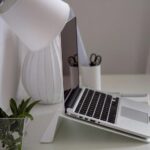






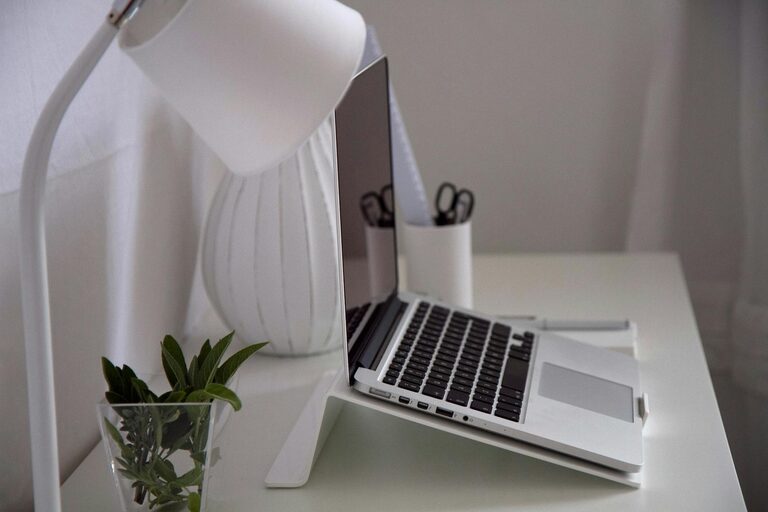
Creating a productive home office space is essential for anyone working remotely or running a business from home. A well-organised and comfortable workspace can help improve concentration, reduce stress, and increase overall efficiency. Whether you have an entire room or just a small corner to dedicate to work, these tips will guide you in setting up the ideal home office environment.
Choose the Right Location
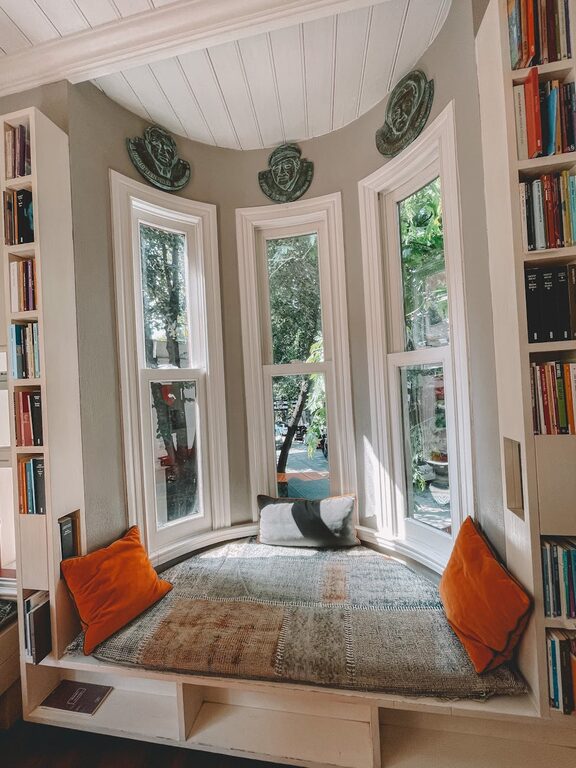
Selecting the right spot in your home is the first step. Ideally, your workspace should be in a quiet area, away from the busiest parts of your home. If possible, choose a room with a door so you can separate work time from personal life. Natural light is also beneficial, so pick a spot near a window to keep your space bright and inviting.
Invest in Comfortable Furniture
Ergonomics plays a big role in productivity. Invest in a good-quality desk and an ergonomic chair that supports your posture. Your desk should be at a comfortable height, and the chair should offer adjustable features so you can tailor it to your body. Adding a footrest or wrist support can further prevent strain during long hours.
Keep Your Space Organised
An organised workspace helps keep your mind clear. Use shelves, drawers, and organisers to keep documents, stationery, and electronics tidy. Label storage boxes or files for easy access. Regularly declutter your desk to avoid distractions and maintain a sense of order.
Optimise Lighting
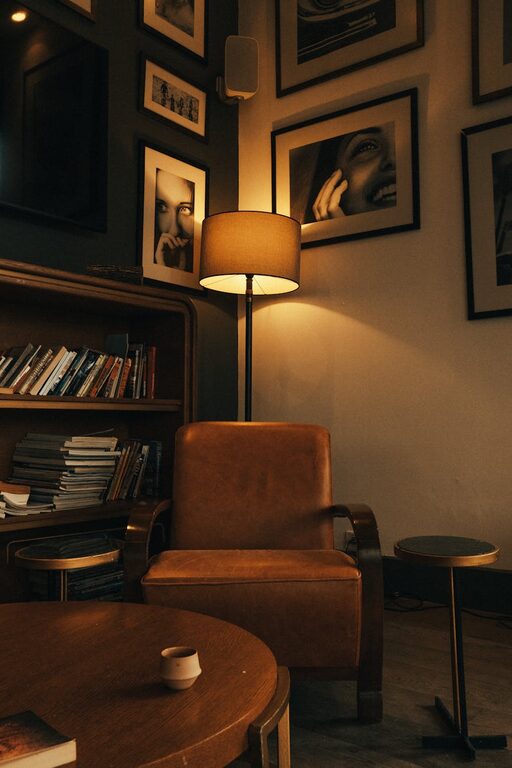
Proper lighting reduces eye strain and boosts alertness. Combine natural light with layered artificial lighting such as a desk lamp and overhead lights. Choose bulbs with a daylight spectrum (around 5000K) to mimic natural light, which can help maintain your energy and focus throughout the day.
Minimise Distractions
Minimising noise and other distractions is important for maintaining concentration. Use noise-cancelling headphones or play background music if it helps you focus. Let household members know your work schedule to avoid interruptions. If possible, choose a workspace that’s away from noisy appliances or foot traffic.
Personalise Your Space
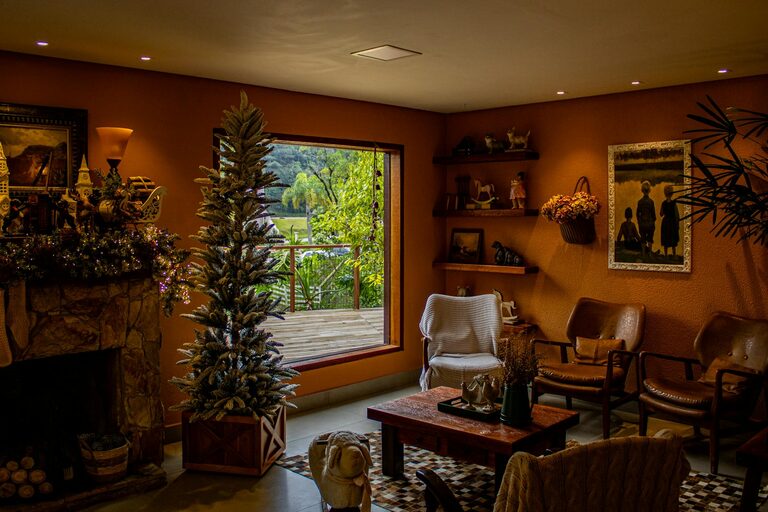
Adding personal touches can make your home office more enjoyable. Decorate with plants, artwork, or photos that inspire you. Greenery can improve air quality and add a calming effect. Avoid over-cluttering, but a few personal items can make the space feel welcoming without being distracting.
Set Up Technology Efficiently
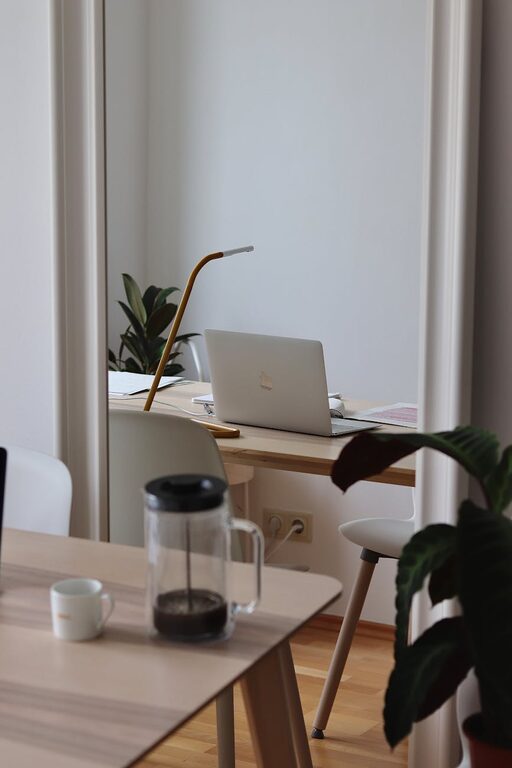
Ensure your home office has reliable internet connectivity and that your computer, printer, and other devices are set up for easy use. Use cable organisers to keep wires neat and prevent tangling. If you have multiple screens or peripherals, arrange them ergonomically for ease and comfort.
Create a Routine and Boundaries
Having a functional space is just one part of productivity. Establish clear work hours and stick to them. Use your workspace only for work to maintain mental boundaries between professional and personal time. Taking regular breaks away from your desk helps reduce fatigue and maintain productivity.
Incorporate Storage Solutions
Adequate storage helps keep your workspace functional. Consider filing cabinets, shelving units, or storage boxes. Digital storage is important too; back up files regularly and organise them logically on your computer to avoid clutter and save time.
Keep Air Quality and Temperature Comfortable
A comfortable temperature and good air circulation can affect your focus and energy levels. Open windows periodically or use a fan to keep air fresh. Adjust heating or cooling settings to maintain a comfortable temperature so you can work without discomfort.
Use Colours That Promote Focus
Colours can influence mood and productivity. Neutral tones combined with soft blue or green accents tend to create a calm atmosphere. Avoid overly bright colours that can be distracting. If you prefer, use colour in small accessories or wall art to add interest without overwhelming the space.
Plan for Breaks and Movement
Design your home office with breaks in mind. Perhaps add a small space where you can stretch or do light exercises. Standing desks or adjustable sit-stand workstations may help vary your posture during the day. Taking breaks away from your screen is essential for long-term productivity.
—
Creating a productive home office space involves more than just picking a desk and chair. By choosing the right location, investing in comfort, organising efficiently, and setting up the technology you need, you can build an environment that supports focus and well-being. Remember to personalise your space, manage distractions, and maintain boundaries between work and home life to make your home office truly effective.