





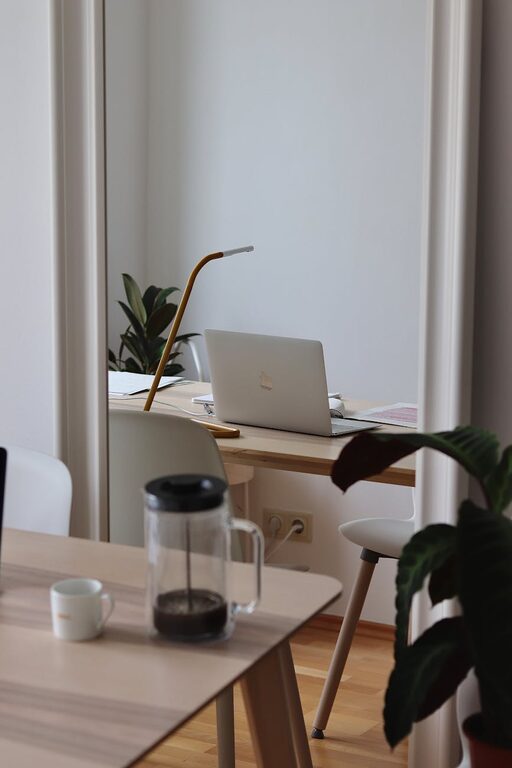
Working from home has become a common part of many people’s lives. Whether you’re a remote worker, freelancer, or simply need a space for occasional tasks, having a home office that feels both relaxing and productive can make a huge difference.
In this post, we’ll explore practical tips to help you create a home office environment that supports focus and reduces stress, so you can enjoy your workdays and finish your tasks efficiently.
Choose the Right Location
The first step is finding the ideal spot for your home office.
– Quiet and Undisturbed: Pick a space away from the busiest parts of the house to minimise distractions from family members or household noise.
– Natural Light: Aim for a room or area with plenty of natural light. Exposure to daylight can improve mood and concentration.
– Good Ventilation: Fresh air helps to keep your mind clear. If possible, position your desk near a window that opens.
Invest in Comfortable and Functional Furniture
Your furniture plays a crucial role in supporting both comfort and productivity.
– Ergonomic Chair: Choose a chair that supports your back and encourages good posture to avoid discomfort during long hours.
– Desk Size and Height: Select a desk that fits your needs — enough surface area for your computer, notes, and other essentials. Adjustable desks or standing desks are great options for variety.
– Storage Solutions: Use shelves, filing cabinets or drawers to keep your workspace organised and clutter-free.
Optimise Lighting
Proper lighting reduces eye strain and can influence your mood.
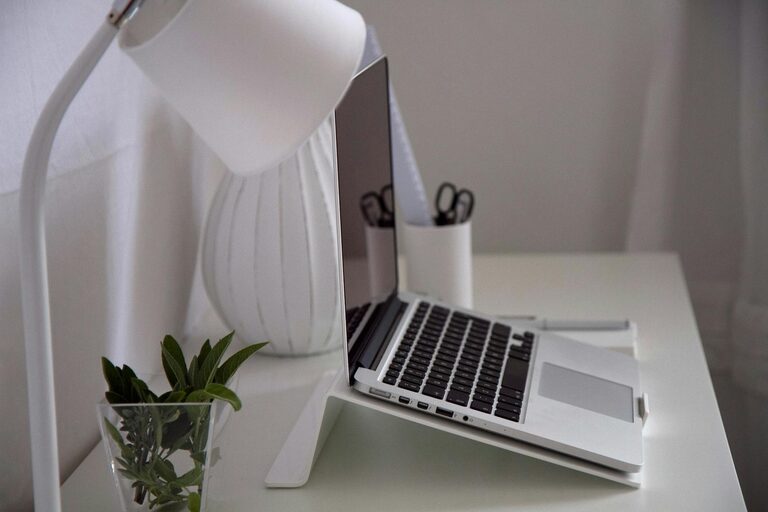
– Balance Natural and Artificial Light: While natural light is best, complement it with adjustable lamps to ensure a well-lit space even on cloudy days or evenings.
– Avoid Glare: Position screens away from direct light sources to reduce glare and reflection.
Declutter and Organise
A tidy workspace supports clear thinking.
– Keep Only Essentials: Limit what’s on your desk to items you frequently use.
– Use Organisers: Desk trays, pen holders, and cable management systems keep things orderly.
– Regular Maintenance: Set aside a few minutes at the end of each day to tidy up.
Personalise Your Space Wisely
Adding personal touches can make your home office more inviting, but it’s important to keep it balanced.
– Inspiring Decor: Add calming art or plants to create a peaceful atmosphere.
– Limit Distractions: Avoid overly busy decorations or items that may divert your attention.
– Use Colours That Help Focus: Soft blues, greens or neutral shades tend to be relaxing and promote concentration.
Create Boundaries Between Work and Home Life
Separating work from home life helps maintain a healthy routine.
– Dedicated Workspace: Use one area only for work, so your brain associates that space with productivity.
– Set Working Hours: Establish clear start and finish times to your working day.
– Communicate with Those Around You: Let family or housemates know your schedule to avoid interruptions.
Incorporate Break-Friendly Features
Taking breaks is essential for sustained productivity.
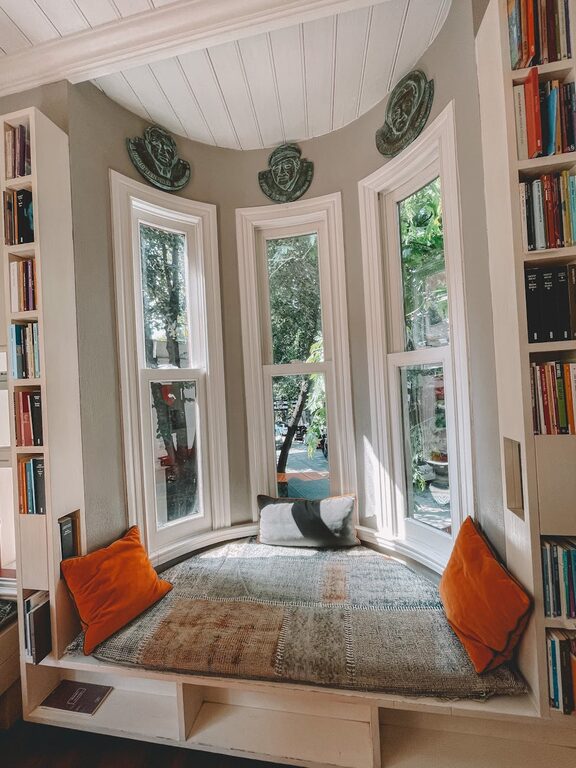
– Comfortable Seating Nearby: A cosy chair or cushion for short rests can help you recharge.
– Refreshment Station: Keep water, tea or snacks accessible to stay hydrated and nourished.
– Encourage Movement: Place your office in a spot where you feel comfortable standing up and stretching during breaks.
Minimise Noise and Distractions
A quiet atmosphere is key to focus.
– Use Noise-Cancelling Headphones: These can filter out background noise and help you concentrate.
– Play Background Music or White Noise: Some people find soft music or natural sounds helpful without being distracting.
– Silence Notifications: Turn off unnecessary alerts on your computer and phone.
Leverage Technology and Tools
Technology can support your workflow and organisation.
– Reliable Internet Connection: Ensure your Wi-Fi is strong and stable.
– Productivity Apps: Use calendars, to-do lists, and focus timers to manage tasks.
– Cable Management: Keep wires organised to prevent mess and accidents.
Prioritise Wellbeing
Looking after your mental and physical health benefits both work and relaxation.
– Mindfulness and Breathing Exercises: Short pauses for mindfulness can reduce stress.
– Ergonomic Exercises: Simple stretches prevent stiffness.
– Good Air Quality and Plants: Indoor plants can improve air quality and create a calming environment.
—
Creating a relaxing and productive home office is about balancing function and comfort. By following these tips, you can build a workspace where you feel comfortable, focused, and ready to take on your day. Remember, it’s your space — take the time to customise it so it truly works for you.