





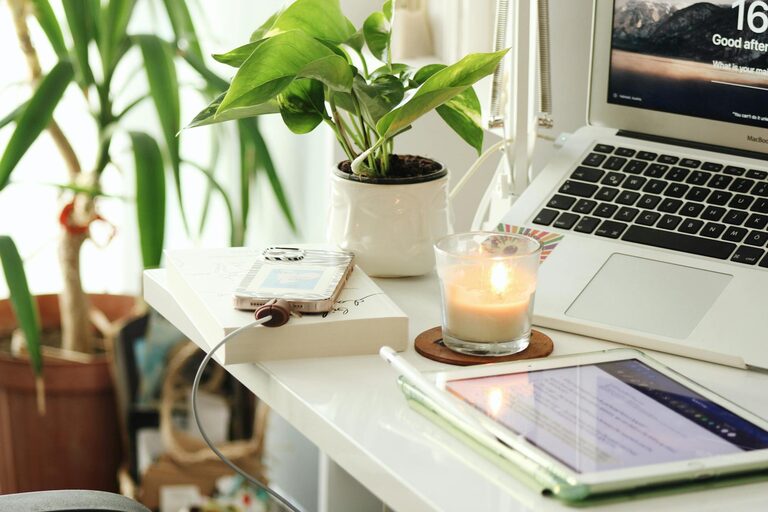
Working from home has become a common part of many people’s lives. Creating a home office that fosters productivity can make a big difference in how efficiently you work and how comfortable you feel throughout the day. Whether you have a dedicated room or a small corner in your living space, setting up a productive home office environment is entirely possible with some thoughtful planning.
In this post, we’ll explore practical tips to help you create a home office that enhances your focus, supports your health, and inspires your best work.
Choose the Right Spot
Selecting the ideal location for your home office is the first step. Here are some things to consider:
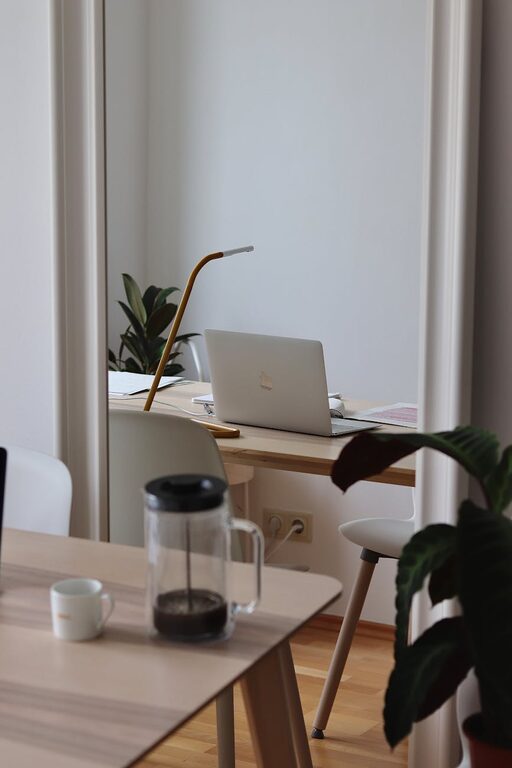
– Natural light: Position your desk near a window if possible. Natural light can improve your mood and reduce eye strain.
– Quiet area: Find a space with minimal distractions. Separate from noisy household areas like the kitchen or TV room.
– Privacy: Ensure you have privacy during work hours, especially if you attend video calls or need to concentrate deeply.
– Space: Consider the furniture and equipment you need. Enough room to move comfortably is essential.
Invest in Ergonomic Furniture
Your comfort directly affects productivity. Ergonomic furniture supports good posture and can prevent aches and pains:
– Desk: Choose a desk at the right height where your arms can rest comfortably when typing.
– Chair: Invest in a chair with good lumbar support, adjustable height, and padded seating.
– Monitor position: The top of your screen should be at eye level to avoid neck strain.
– Accessories: Consider footrests, keyboard cushions, or adjustable monitor stands to improve comfort.
Keep Your Workspace Organised
A clutter-free desk can boost focus and efficiency:
– Declutter daily: Remove unnecessary items from your workspace at the end of each day.
– Storage solutions: Use drawers, shelves, organisers, or filing cabinets to keep papers and supplies tidy.
– Cable management: Use clips or ties to prevent cables from tangling and creating a mess.
– Digital organisation: Keep your computer desktop and files organised for quick access.
Optimise Lighting
Good lighting is crucial to reduce eye strain and create a welcoming workspace:
– Natural light: As mentioned, maximise daylight by placing your desk near a window.
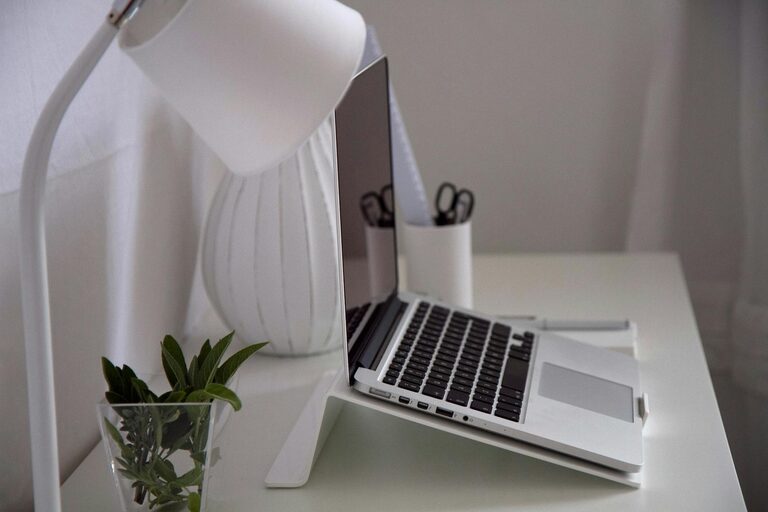
– Task lighting: Use a desk lamp with adjustable brightness for reading or detailed work.
– Ambient lighting: Ensure the room has sufficient overall lighting, avoiding harsh contrasts or glares.
Minimise Distractions
Home environments present unique challenges when it comes to focus:
– Set boundaries: Communicate your work hours to family or housemates to minimise interruptions.
– Noise control: Use noise-cancelling headphones or white noise apps if background noise is an issue.
– Limit devices: Keep your phone on silent or in another room during focused work sessions.
– Breaks: Schedule regular breaks to rest your eyes and clear your mind, which actually helps maintain productivity.
Personalise Your Space
A workspace that feels inviting and inspiring can motivate you to work better:
– Decorate tastefully: Add a few items like plants, artwork, or photos that make you happy without cluttering your desk.
– Aroma and comfort: Consider a small diffuser with calming scents or a comfortable throw blanket for chilly days.
– Colours: Use colours that promote concentration and calm, such as blues, greens, or neutrals.
Use Effective Technology and Tools
Having the right technology can streamline your work:
– Reliable internet: Ensure your internet connection is stable and fast enough for video calls or large uploads.
– Backup solutions: Use cloud storage services or external drives to save your work securely.
– Productivity apps: Use calendars, to-do lists, timers, or note-taking apps to stay organised and on track.
– Ergonomic peripherals: Invest in a good keyboard and mouse to reduce strain during long hours.
Establish a Routine
Creating and sticking to a routine can help separate work from home life:
– Consistent hours: Try to start and finish work at the same time daily.
– Morning preparation: Treat your home office time like a commute—get dressed, have breakfast, and prepare your workspace.
– Task planning: Make a to-do list or use time-blocking to prioritise work.
– Break time: Step away regularly for physical activity or relaxation to recharge.
Maintain Your Workspace
Regular maintenance keeps your home office functional and pleasant:
– Clean frequently: Wipe down desks, keyboards, and screens to prevent dust build-up and maintain hygiene.
– Upgrade equipment: Review your setup periodically and replace or upgrade furniture or gadgets as needed.
– Review and adjust: Adapt your workspace in response to your changing needs or new working habits.
—
Creating a productive home office is about balancing comfort, organisation, and focus. With a dedicated spot, ergonomic setup, good lighting, and a clear routine, you can make your work-from-home experience both enjoyable and efficient. Small changes can have a big impact on how you feel and perform throughout your working day. Happy working!