






Creating a sustainable garden in your backyard is a rewarding way to connect with nature, reduce your environmental impact, and enjoy fresh, homegrown plants. Whether you have a small urban space or a larger garden, embracing sustainability can improve soil health, conserve water, and support local wildlife. This guide will walk you through practical steps to design and maintain an eco-friendly garden that thrives year-round.
What Is a Sustainable Garden?
A sustainable garden focuses on working with natural processes to grow plants without depleting resources or harming the environment. This approach encourages biodiversity, reduces waste, conserves water, and minimises the use of chemicals. Instead of controlling nature, sustainable gardeners nurture it, creating a balanced ecosystem that benefits both plants and animals.
Planning Your Sustainable Garden
Before planting, it helps to plan your garden carefully to make the most of your space and resources.
Assess Your Space
– Sunlight: Observe which parts of your garden get full sun, partial shade, or full shade. This helps you select suitable plants.
– Soil Type: Test your soil to understand its texture and nutrient levels. Loamy soil is ideal but can be improved with organic matter.
– Water Availability: Consider how you will water your garden and identify opportunities to collect rainwater.
Choose Native and Drought-Tolerant Plants
Native plants are adapted to your local climate and soil, making them more resilient and requiring less maintenance. Drought-tolerant species will reduce water use, especially important during dry periods.
Design for Biodiversity
Include a variety of plants—flowers, shrubs, herbs, and trees—to attract beneficial insects, birds, and pollinators. Creating different habitats supports a balanced ecosystem.
Sustainable Gardening Practices
Once your plan is in place, the way you care for your garden will determine its sustainability.
Soil Health Management
Healthy soil supports strong plants and reduces the need for chemical fertilisers.
– Compost Regularly: Turn kitchen scraps and garden waste into rich compost to improve soil texture and nutrients.
– Mulch: Apply organic mulch like bark or straw to retain moisture and suppress weeds.
– Avoid Synthetic Chemicals: Use natural fertilisers and organic pest control methods to protect beneficial organisms.
Water Conservation Techniques
Water wisely to reduce waste and promote plant health.
– Rainwater Harvesting: Install barrels or tanks to collect rainwater from gutters.
– Drip Irrigation: Deliver water directly to plant roots with minimal evaporation.
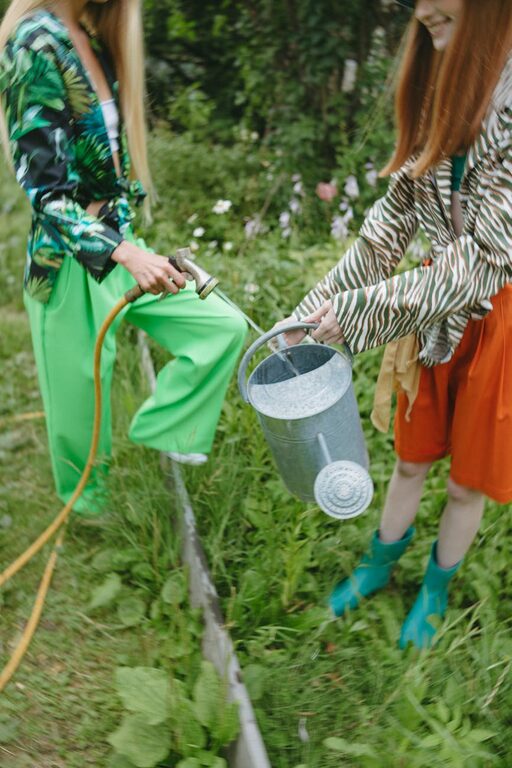
– Watering Schedule: Water early in the morning or late in the evening to reduce evaporation loss.
Supporting Wildlife
Encourage a vibrant ecosystem by providing food, shelter, and water for animals.
– Plant Pollinator-Friendly Flowers: Choose plants that attract bees, butterflies, and other pollinators.
– Create Shelter: Add birdhouses, log piles, and insect hotels.
– Avoid Pesticides: Harmful chemicals can damage wildlife populations.
Seasonal Maintenance for Sustainability
Maintain your garden with seasonal tasks that keep it thriving naturally.
Spring
– Prepare beds by adding compost and turning the soil gently.
– Plant early flowering plants that support pollinators emerging from winter.
– Check irrigation systems and harvest rainwater.
Summer
– Mulch heavily to retain moisture.
– Monitor for pests and diseases, using organic treatments if needed.
– Deadhead flowers to encourage more blooms.
Autumn
– Collect fallen leaves for mulch or compost.
– Plant bulbs and perennials to brighten next spring.
– Clear spent plants but leave some seeds and stalks for wildlife habitats.
Winter
– Minimise soil disturbance to protect microbial life.
– Plan next year’s garden and order seeds.
– Maintain garden tools for efficient work in spring.
Benefits of a Sustainable Garden
Creating a sustainable garden isn’t just good for the environment. It also brings personal and community rewards such as:
– Improved air quality and reduced carbon footprint.
– Lower water and maintenance costs.
– Healthier, chemical-free produce.
– Enhanced outdoor living space and mental wellbeing.
– Support for local wildlife and pollinators.
Getting Started: Simple Tips for Beginners
– Start small: Focus on one corner of your garden or a few containers.
– Learn from neighbours or community gardens.
– Keep a garden journal to track what works.
– Experiment with companion planting to reduce pests naturally.
– Regularly add compost and mulch rather than digging or tilling frequently.
Conclusion
Creating a sustainable garden in your backyard is both enjoyable and beneficial for the planet. By planning thoughtfully, practising eco-friendly gardening methods, and embracing nature’s rhythms, you can cultivate a beautiful space that provides nourishment for wildlife and your family alike. Whether you’re a seasoned gardener or just starting out, every small step towards sustainability makes a difference.
Happy gardening!